PRINTED PAGE 2032NKJV · STUDY EDITION
2032 2 Peter INTRODUCTION
of Pontus, Galatia, Cappadocia, Asia, and Bithynia. By the time he wrote 2 Peter, they were no doubt even more
widely scattered. Some have noted that 2 Peter seems to be addressed to a group whom Peter knows well
and who were facing a specific false teaching. Even if this is the case, the readers seem to be largely Gentiles
(because of the multiple references to licentious lifestyles, a characteristic of Gentiles) or a mixed group of
Jews and Gentiles, probably living in one of the provinces mentioned above. Word of their difficulties with
false teachers had reached Peter in Rome, and he dispatched this letter to them to encourage them and warn
them of the dangers they faced.
Relationship of 2 Peter to Jude The obvious similarities between 2 Peter and Jude call for an explanation
(compare ch. 2 with Jude 4–18). Some have suggested that Peter borrowed from Jude, while other have main-
tained the opposite. In addition, some have suggested that both authors borrowed from another, anonymous
source. This type of borrowing was fairly common in the first century. For example, it is evident that Luke used
other sources when he wrote his Gospel (see Luke 1:1–4). Most scholars agree that the more complete and pre-
cise statements in Jude point to Peter borrowing from Jude. The fact that the early church treated James, a half
brother of Jesus, with utmost respect (Acts 12:17; 15:13; 21:18; Gal. 1:19) may help explain why Peter borrowed
from the letter of another half brother of Jesus, Jude.
Theology With its emphasis on holy living and its efforts to refute false teachings, 2 Peter stresses sanctifi-
cation. Ultimately Peter traces the motivation for leading a holy life back to the imminent return of Christ and
the punishment and rewards Jesus would bring. The letter groups these teachings into five different themes.
(1) Initially Peter asserts his own authority and the authority of the apostles’ teaching. Their instruction would
help the readers of 2 Peter to distinguish truth from error. (2) Evidently the recipients of this letter were having
trouble establishing the connection between following Christ and leading a holy life. Peter reiterated to them
that discipleship to Christ means putting away all kinds of immorality. (3) Furthermore Peter warned them not
to imitate the arrogance of the false teachers, who were slandering spiritual beings. (4) To encourage them to
persevere and to remain faithful to the truths of the faith, Peter depicted the day of the Lord, which would result
in a new heaven and new earth. (5) Towards the end of his letter, Peter encouraged his readers to be patient.
God had good reasons for delaying Christ’s return and the fulfillment of His prophetic program. The day of the
Lord had been delayed, but it was still imminent. For this reason, they should vigilantly watch their belief and
practice so that they would not be deceived by falsehood.
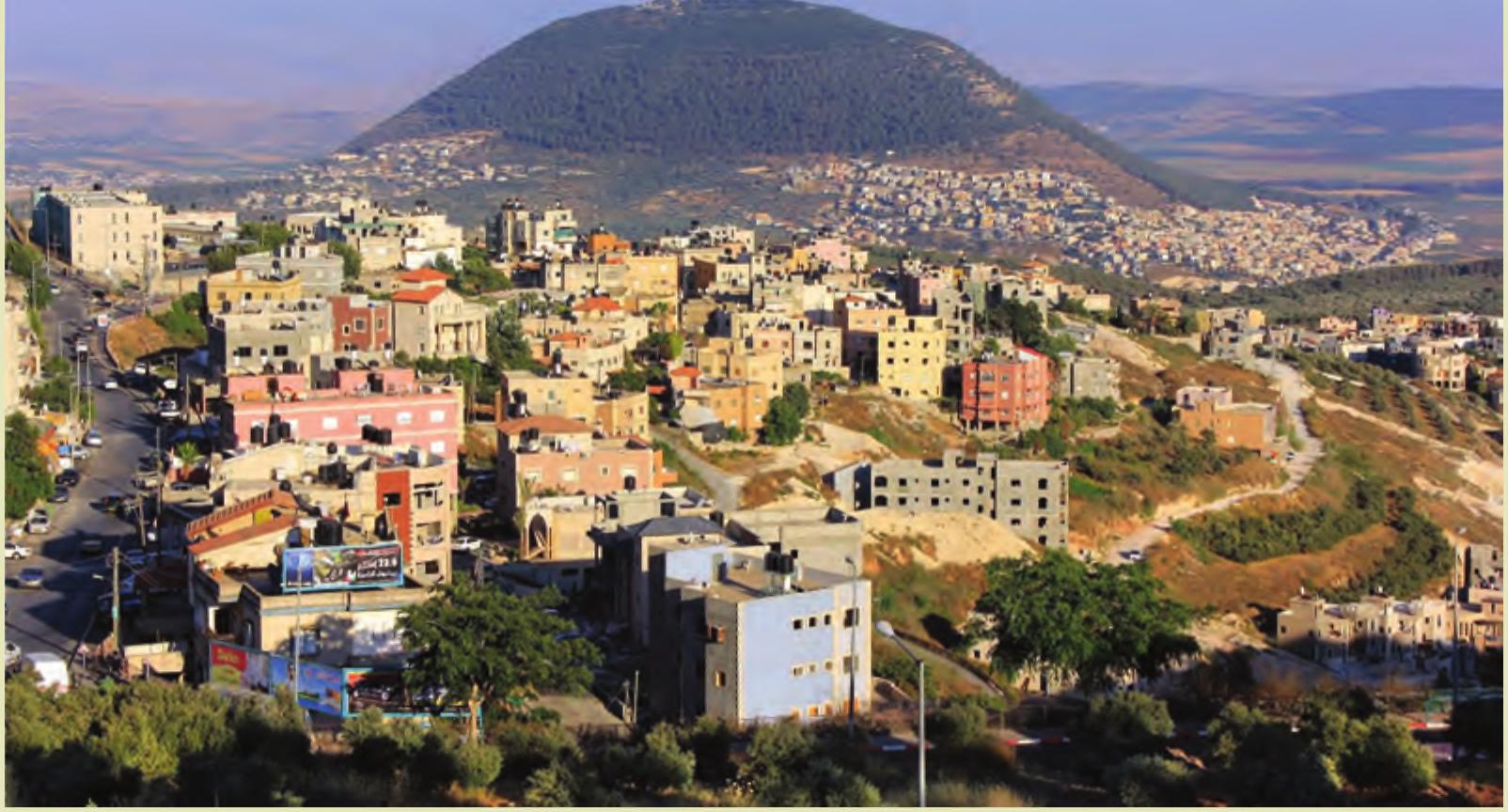
A view of Mt. Tabor, a possible site for Jesus’ transfiguration. Peter refers to this event in 2 Peter 1:17, 18.
© irisphoto1/Shutterstock
Original illustrations
End of source page 2067