PRINTED PAGE 1853NKJV · STUDY EDITION
2 Corinthians INTRODUCTION 1853
no “painful visit,” for the word “again” in 2:1 does not necessarily mean that Paul made a visit between writing
1 and 2 Corinthians. It simply means he did not want to return “in sorrow.” The reference in 12:14 and 13:1, 2 to
a “third time” does not mean Paul was coming for his third time, it simply means that he was “ready” to come
for a third time. He had planned to come (see 1 Cor. 16:5–9), evidently was ready to come (12:14), and then did
not actually make the trip (1:15–17, 23).
Thus the background of 2 Corinthians may be pieced together as follows: Paul founded the Corinthian
church (Acts 18:1–17; 1 Cor. 3:6, 10). After 18 months he departed from Corinth and wrote a letter which is now
lost (see 1 Cor. 5:9). Paul then talked to some members of Chloe’s household about quarrels in the Corinthian
church (1 Cor. 1:11). Perhaps at this point, Paul sent Timothy on a trip that included Corinth (1 Cor. 4:17; 16:10).
Then a committee arrived from Corinth with questions for Paul (1 Cor. 7:1; 16:7). Then Paul wrote the book now
called 1 Corinthians to correct disorders and answer questions from the Corinthian church. Paul probably sent
Titus to Corinth with 1 Corinthians. After sending him, Paul became deeply concerned about how the Corin-
thians would respond to what he had written. He had called them carnal (1 Cor. 3:1) and proud (1 Cor. 4:18). In
the meantime, serious difficulties arose at Ephesus, so he left ahead of schedule (see Acts 20:1). He stopped
at Troas to preach the gospel (2:12). But because he did not find Titus there and was still eager to hear about
the Corinthians, he hastened to Macedonia (2:13). There Paul found Titus. According to an early tradition, Paul
wrote 2 Corinthians from Philippi.
Purpose In 1 Corinthians, Paul had instructed the believers in Corinth to discipline an incestuous member
(see 1 Cor. 5), and to take a collection for the poor saints in Jerusalem (1 Cor. 16:1–4). Titus gave Paul a report that
was on the whole encouraging (2:14; 7:5–7). The Corinthians had responded properly to 1 Corinthians. They had
faithfully carried out the discipline necessary (2:5–11). But Titus also informed Paul about the presence of “false
apostles” (11:13) who accused Paul of walking according to the flesh (1:12, 17; 10:2), being deceitful (2:17; 4:2;
12:16), intimidating the church with his letters (10:9, 10), unjustly mistreating someone to the point of ruining that
person (7:2), and defrauding people (7:2). These false teachers probably pointed out that Paul had not returned
as he promised, and used this as evidence for his duplicity (1:15–17, 23, 24). They even attempted to discredit
Paul by charging that he was raising money to enrich himself (7:2; 8:16–23). Inevitably these accusations raised
doubts in the minds of the Corinthians about the integrity of the apostle Paul.
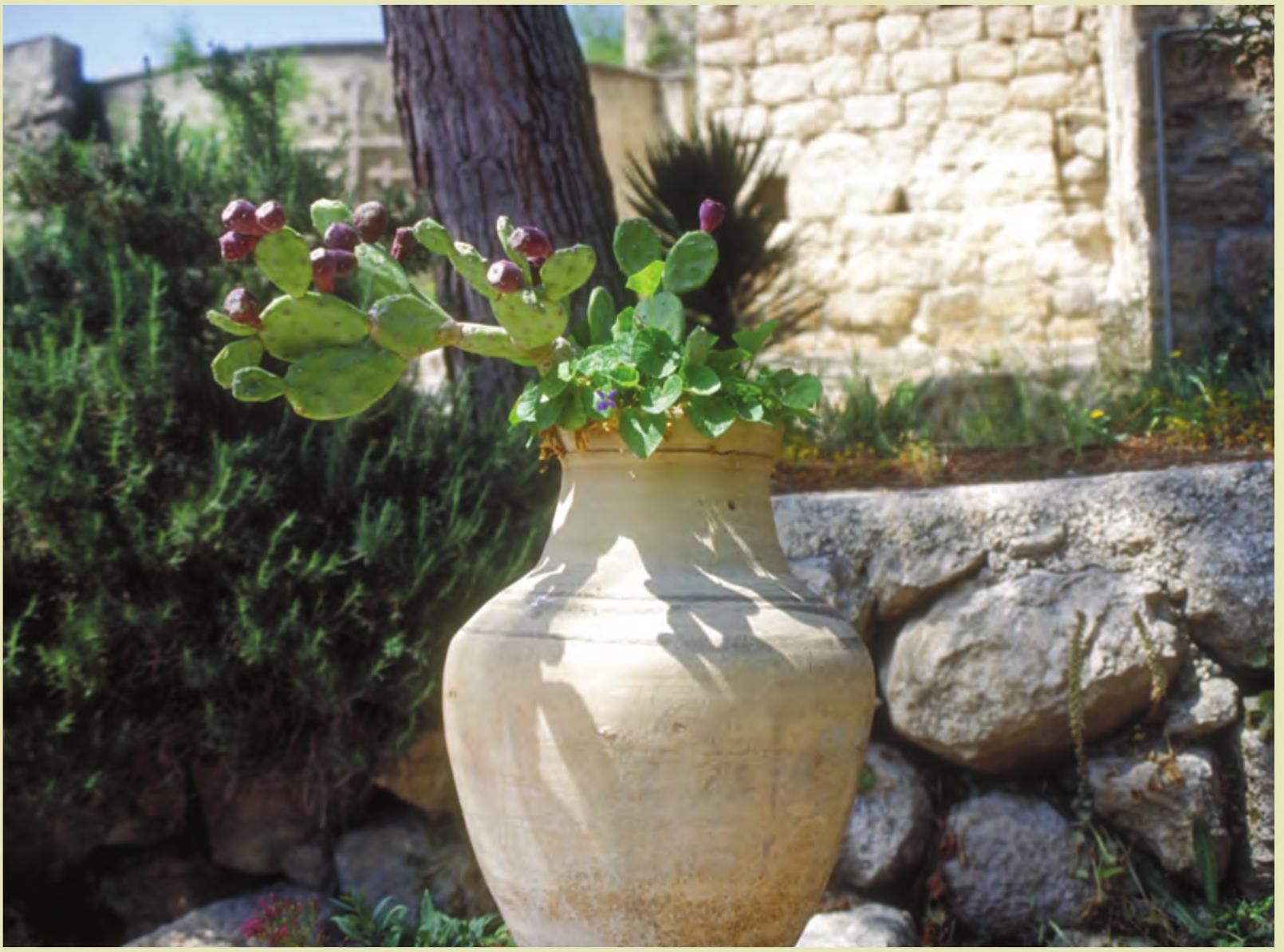
Clay jar containing a sabra cactus near Bethany. “But we have this treasure in earthen vessels” (2 Cor. 4:7).
© 1995 Phoenix Data Systems
Original illustrations
End of source page 1888