PRINTED PAGE 1681NKJV · STUDY EDITION
ACTS 24:53 | 1681
John INTRODUCTION 1681
Theology The Gospel of John is a persuasive argument for the deity of Jesus. It concentrates on presenting
Jesus as the Word, that is, God (1:1) who became a man (1:14). Thus John meticulously records the statements
and describes the miracles of Jesus that can only be attributed to God Himself.
Jesus called Himself the bread of life (6:35, 41, 48, 51), the light of the world (8:12; 9:5), the door for the sheep
(10:7, 9), the good shepherd (10:11, 14), the resurrection and the life (11:25), the way, the truth, the life (14:6), and
the true vine (15:1, 5). Each of these statements begins with the words, “I am,” recalling God’s revelation of His
name, “I AM,” to Moses (see Ex. 3:14). Jesus did not say He gave bread; He said He is the Bread which gives life.
He did not say He would teach the way, the truth, and the life; instead He said He is the Way, because He is the
Truth and the Life. These are Jesus’ clear claims to deity: He was not a mere man.
Then there are the signs of Jesus’ deity. Miracles in the Gospel of John are called “signs” because they point
to Jesus’ divine nature. John records seven such signs: changing water into wine (2:1–11), healing a man’s son
(4:46–54), healing a lame man (5:1–9), multiplying bread and fish (6:1–14), walking on water (6:15–21), healing a
blind man (9:1–7), and raising Lazarus (11:38–44). These miracles show that Jesus is God; He possesses power
over nature. Other indications of Jesus’ deity include the testimonies of John the Baptist (1:32–34), Nathanael
(1:49), the blind man (9:35–38), Martha (11:27), and Thomas (20:28)—not to mention Jesus’ own words (5:19–26).
Jesus was also fully man. His body grew weary (4:6), His soul was troubled (12:27; 13:21), and He groaned in
His spirit (11:33). At the same time, this God-man was Israel’s Messiah. Andrew told his brother, “We have found
the Messiah” (1:41). Nathanael concluded, “You are the Son of God! You are the King of Israel!” (1:49). Even the
Samaritan woman testified to Jesus’ identity (4:25, 26, 29). Jesus the Messiah was and is the Savior of the world
(4:42; 11:27; 12:13).
John urges us to trust in Jesus for eternal life. Our trust is built on our belief that (1) the Father is in Christ,
and Christ is in the Father (10:38; 14:10, 11); (2) Christ came from God (16:17, 30), and God sent Him (11:42; 17:8,
21; see 6:29); and (3) He is the Son of God (6:69; 11:27; 20:31). John reveals the Bible’s most important message:
Believe and follow Jesus, because He is the way to eternal life.
Christ in the Scriptures
John focuses on Jesus’ claim that He was God by including Christ’s seven “I am” statements: “I am the bread of
life” (6:35, 48); “I am the light of the world” (8:12); “I am the door” (10:7, 9); “I am the good shepherd” (10:11, 14);
“I am the resurrection and the life” (11:25); “I am the way, the truth, and the life” (14:6); “I am the true vine” (15:1).
John doesn’t take any chances that we might miss what these “I am” statements suggest. He records certain
occasions when Jesus equates Himself with the Old Testament “I AM” (Yahweh). You can’t be more specific that
than this: “Most assuredly, I say to you, before Abraham was, I AM” (8:58).
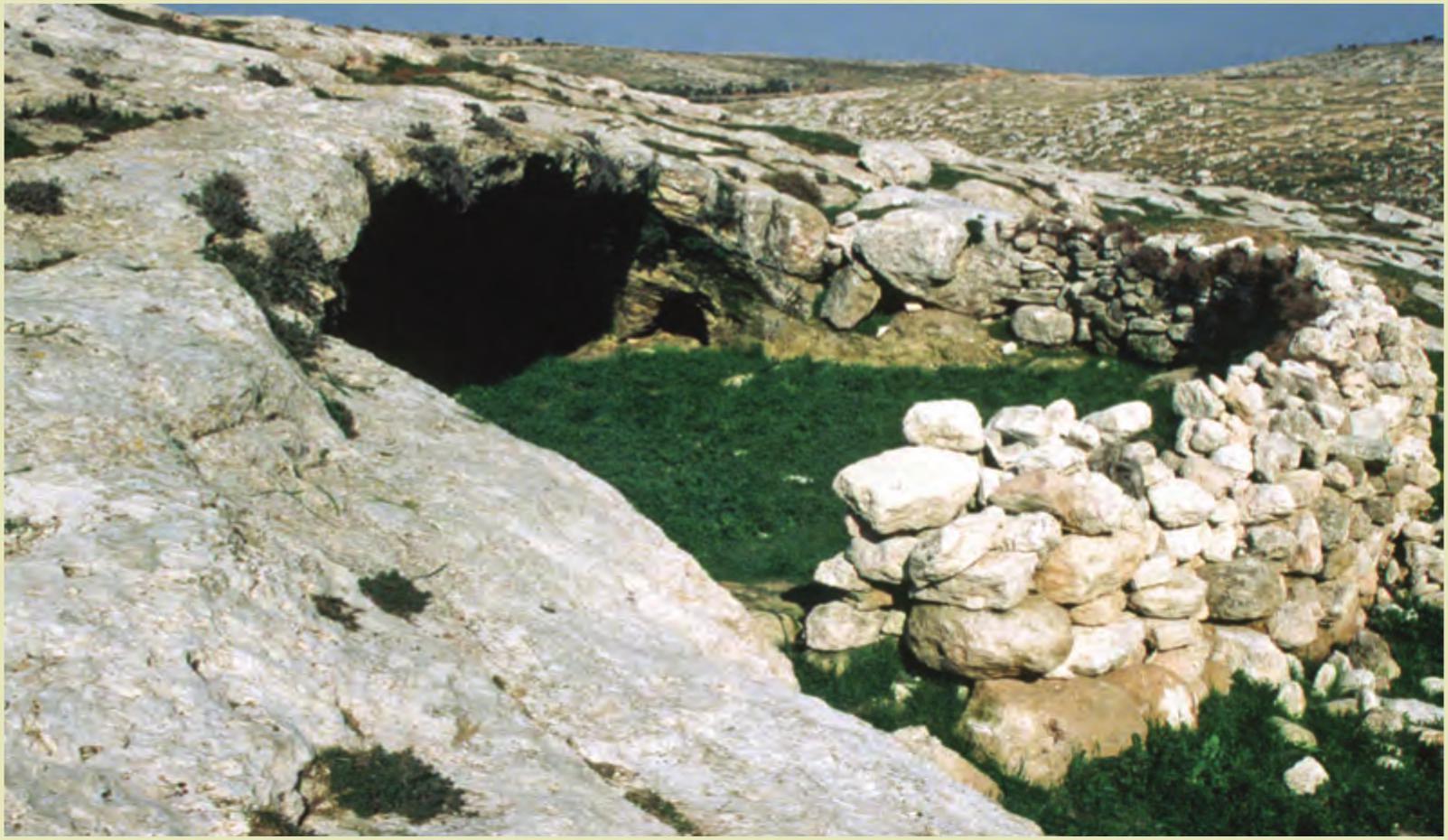
View of the interior of a typical ancient sheep pen. Jesus said, “I am the door. If anyone enters by Me, he will be
saved, and will go in and out and find pasture” (John 10:9).
www.HolyLandPhotos.org
Original illustrations
End of source page 1716